
How Does Silica Fume Improve the Life of Concrete Structures?
Lower permeability means slower ingress of chlorides and sulfates — which means reinforcement stays protected and structures last longer with less maintenance.
“How does Silica Fume contribute to longer-lasting concrete?”
The answer
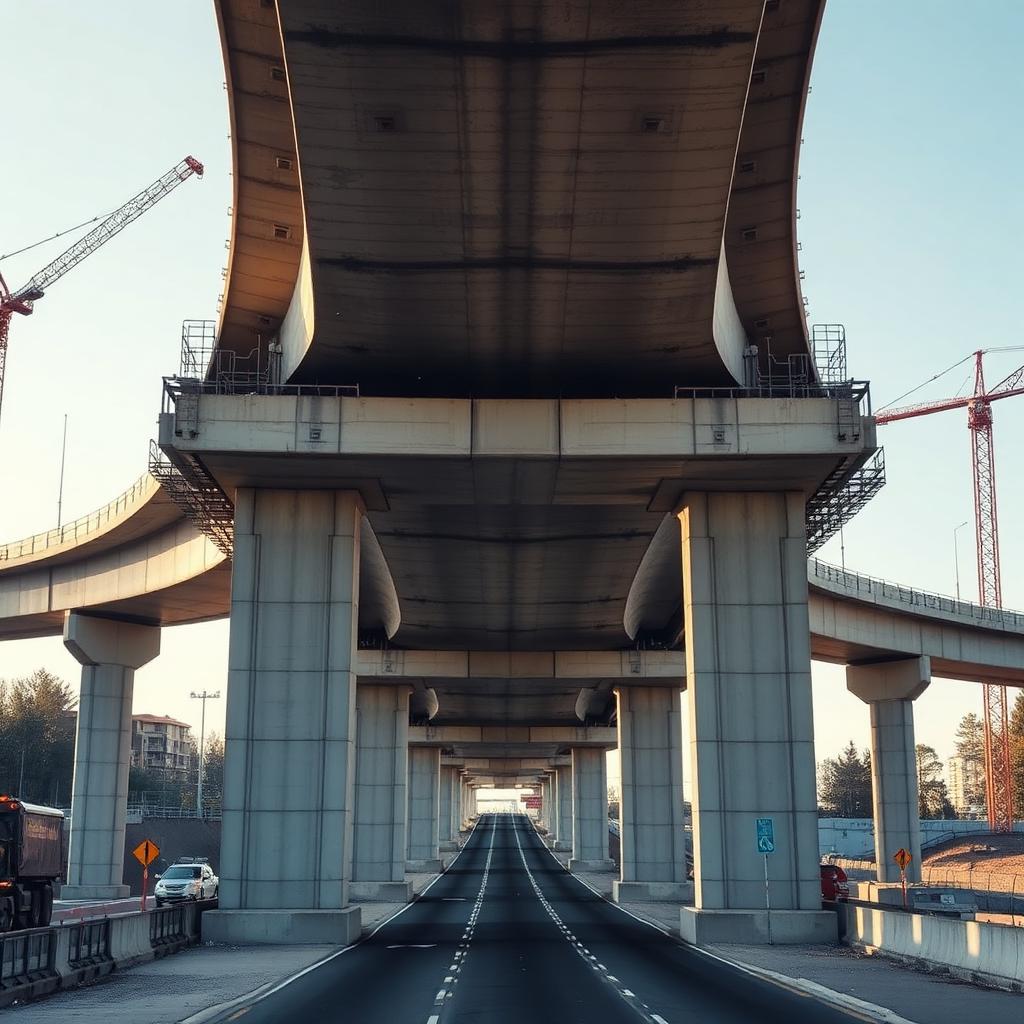
Concrete structures are exposed to water, chlorides, sulfates, abrasion, freeze-thaw cycles (where applicable), and environmental pollutants throughout their service life.
Silica Fume improves durability by reducing the permeability of concrete and strengthening its internal microstructure. This helps protect reinforcement from corrosion and minimizes the ingress of harmful substances.
Where these benefits matter
- Bridges
- Metro rail projects
- High-speed rail
- Airports
- Marine structures
- Power plants
- Industrial floors
- Water-retaining structures
- Tunnels
- High-rise buildings
The result is concrete that maintains its performance for longer with lower maintenance requirements.
Talk to our technical team
Sio92 Silica Fume complies with ASTM C1240 and IS 15388:2003, and is supplied in bags, jumbo bags and bulk tankers with batch test certificates.
Request a quoteMore insights
Why Use Silica Fume Instead of Increasing Cement Content?
Higher cement dosage raises heat of hydration, shrinkage and cost. Silica Fume densifies the matrix instead — delivering strength and durability more efficiently.
We Already Use GGBS. Why Should We Also Use Silica Fume?
GGBS builds long-term strength and sulfate resistance; silica fume adds early strength, density and water tightness. Most high-performance mixes use both.
Why Is My Concrete Failing Permeability and Durability Tests?
A mix can hit its strength target and still fail RCPT or water penetration. The cause is capillary porosity — and silica fume is the standard fix.