
From quartz to concrete-grade silica fume
A high-temperature industrial process, tightly controlled at every stage.
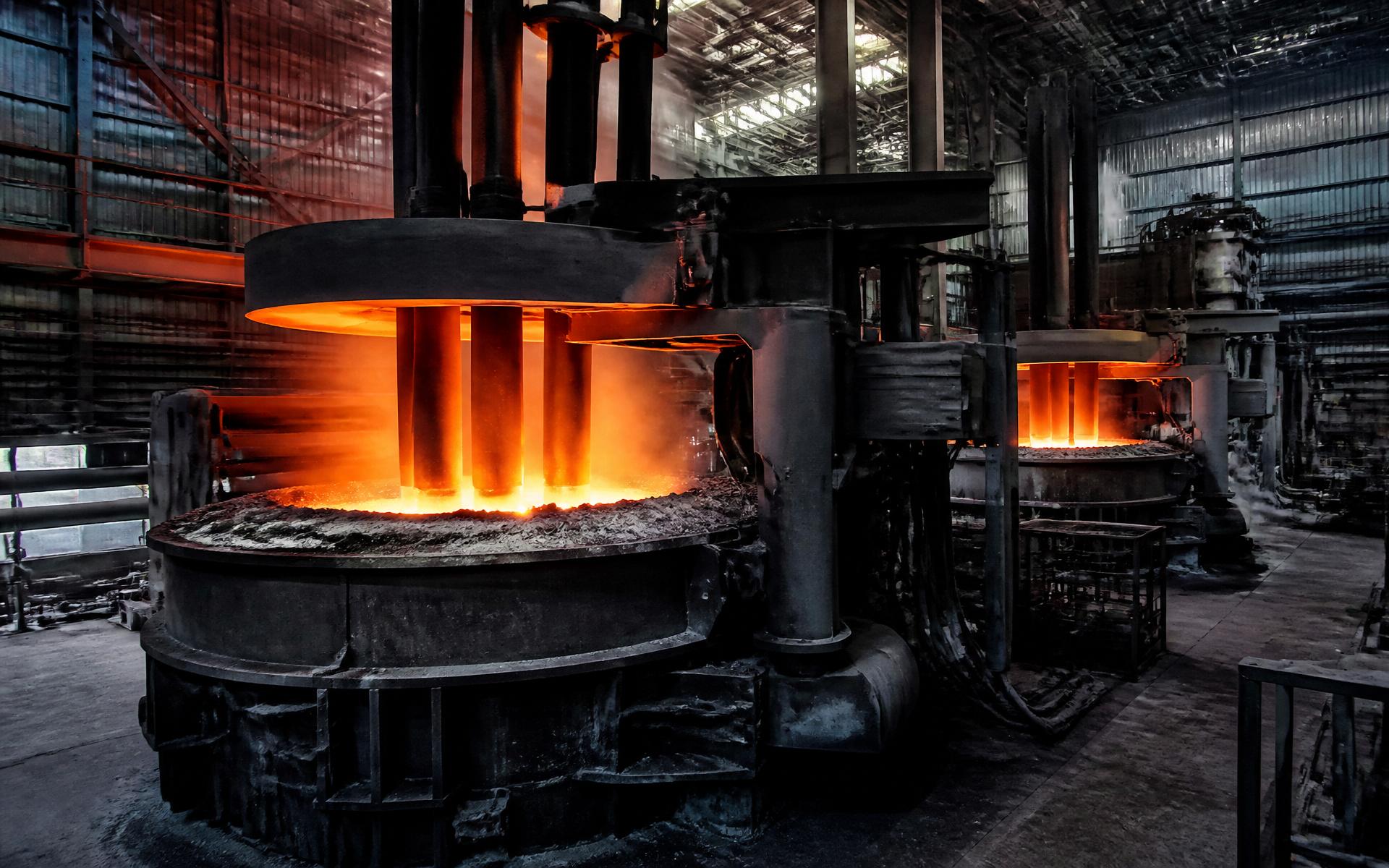
How Sio92 Silica Fume is made
A continuous five-stage flow — from raw quartz and carbon to ultra-fine amorphous silica captured in bag-house filters.
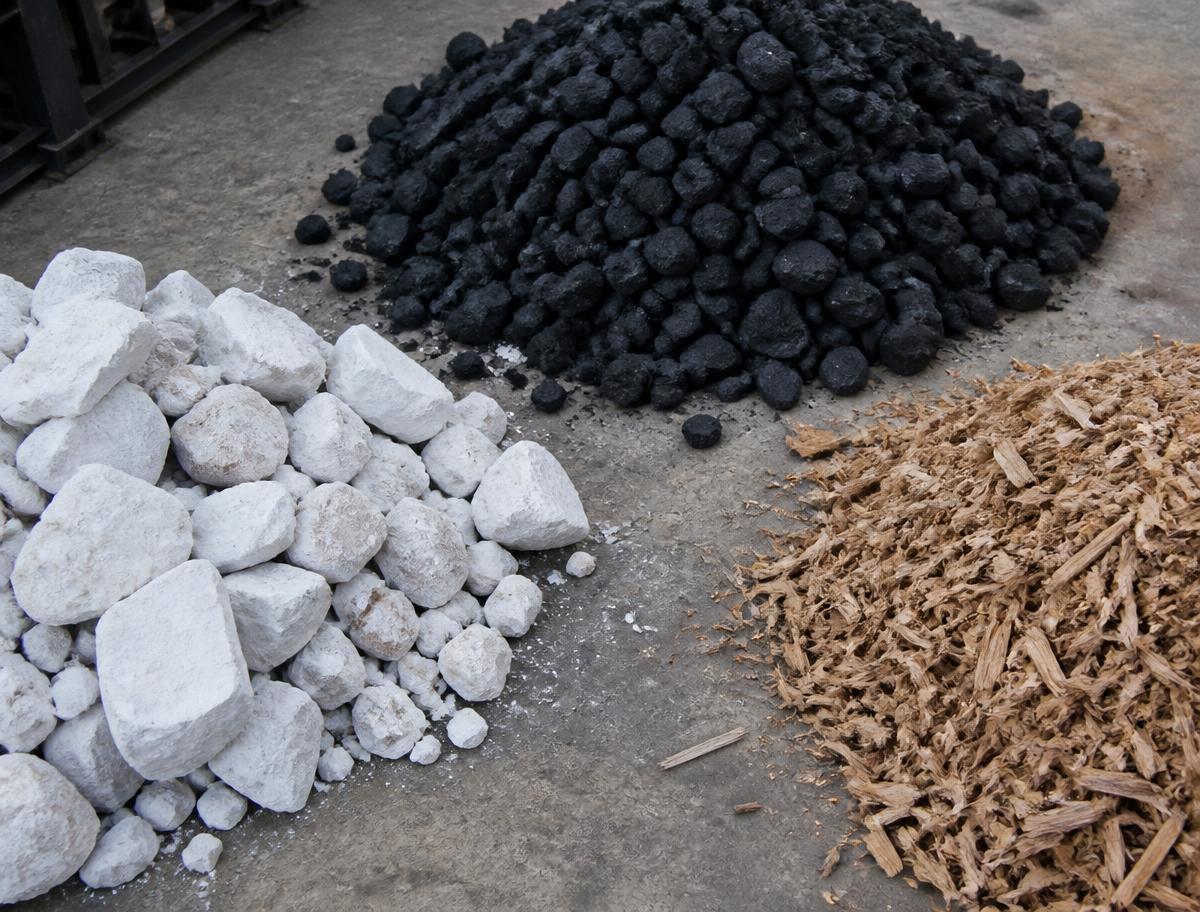
Raw Materials
High-purity quartz (SiO₂), metallurgical coal / coke and wood chips are proportioned and charged into the furnace bins.
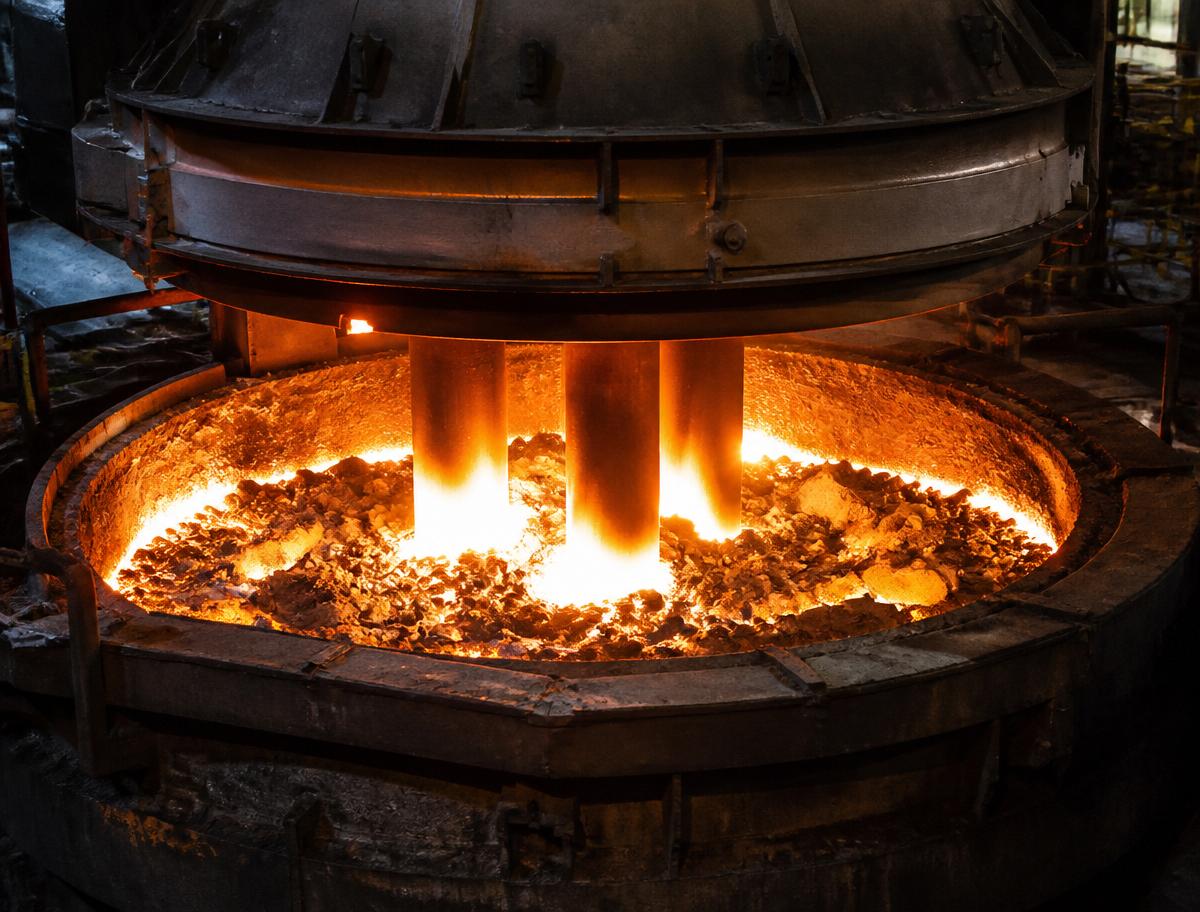
Submerged-Arc Furnace
Electrodes reduce quartz with carbon inside a submerged-arc furnace, producing molten silicon / ferrosilicon alloy.
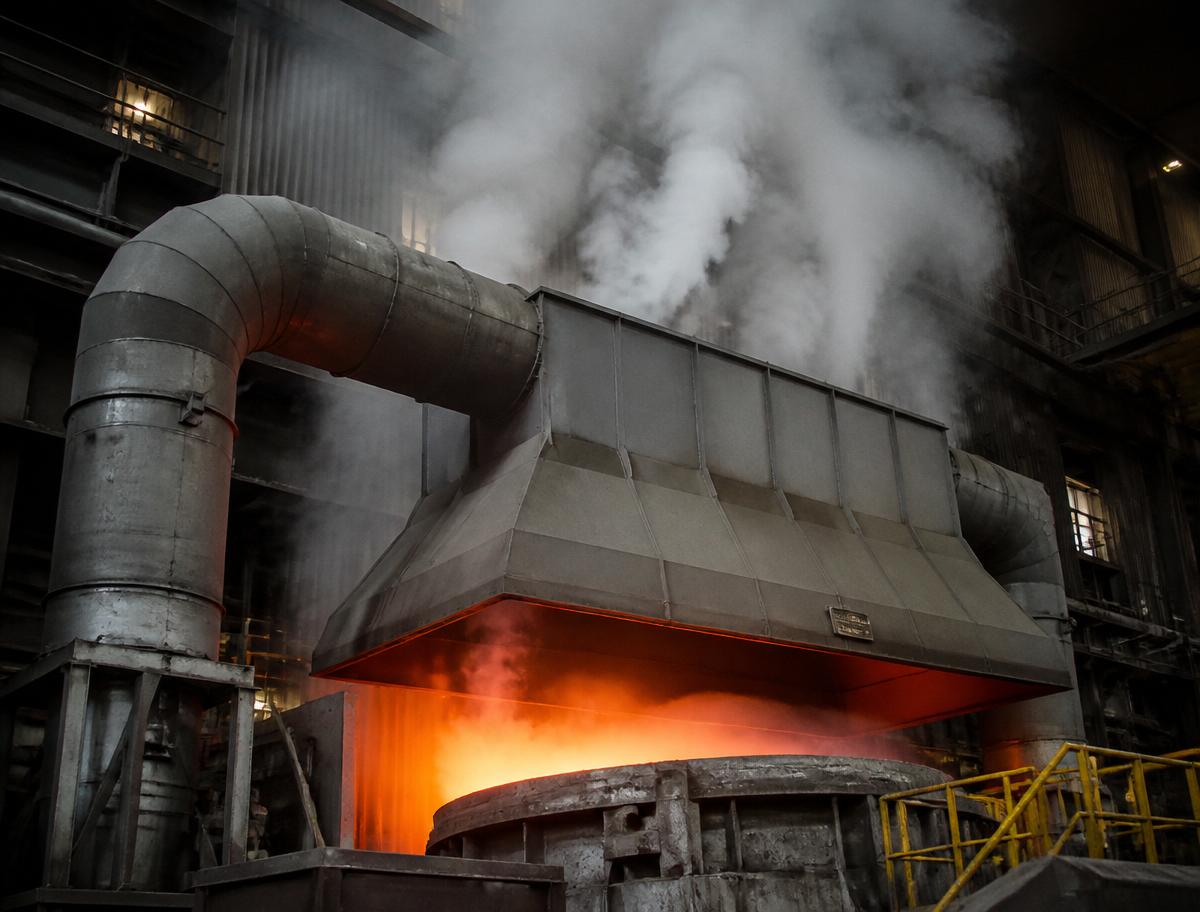
SAF Off-Gas
Rising SiO vapour oxidises in air above the furnace, forming ultra-fine, non-crystalline amorphous silica particles.
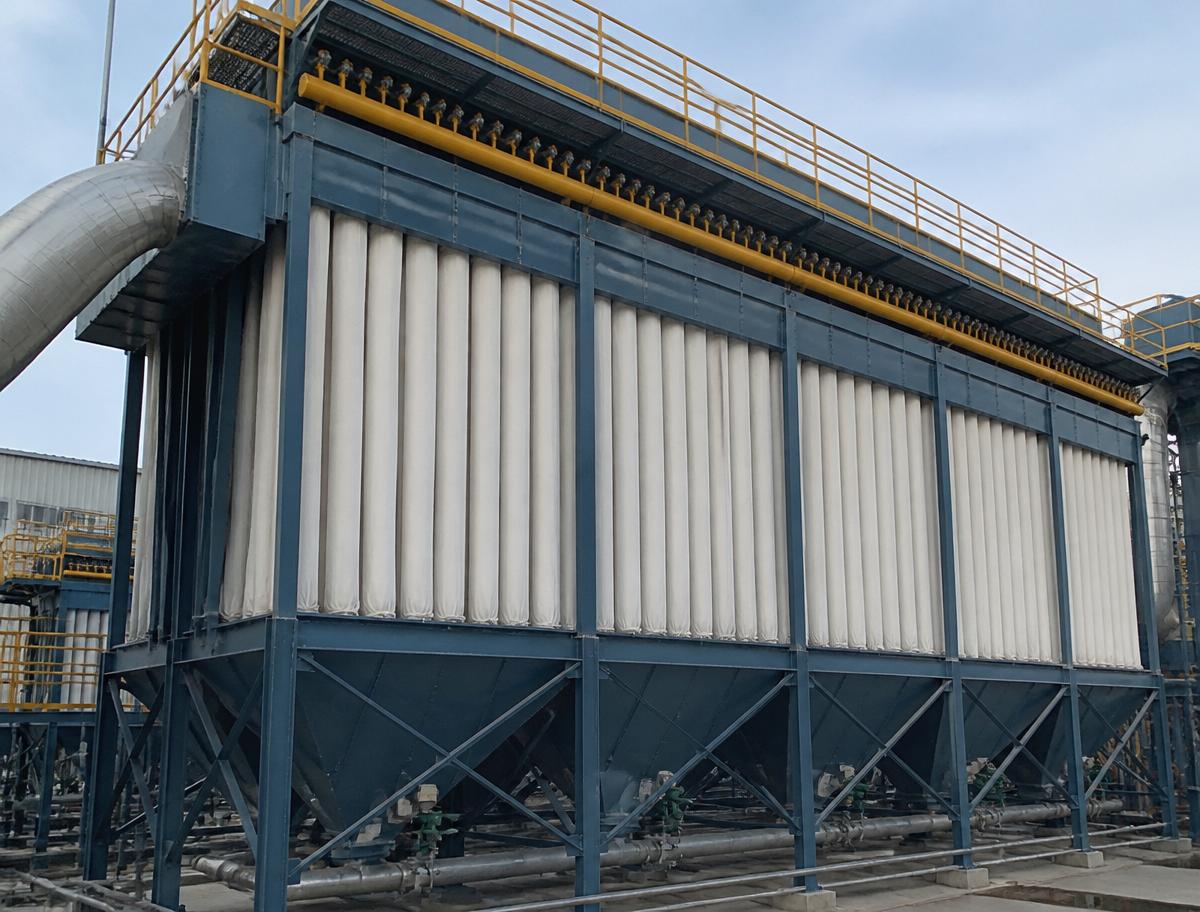
Filtration
Off-gas is cooled through ducts and drawn through bag-house filters where the silica fume is separated from flue gas.
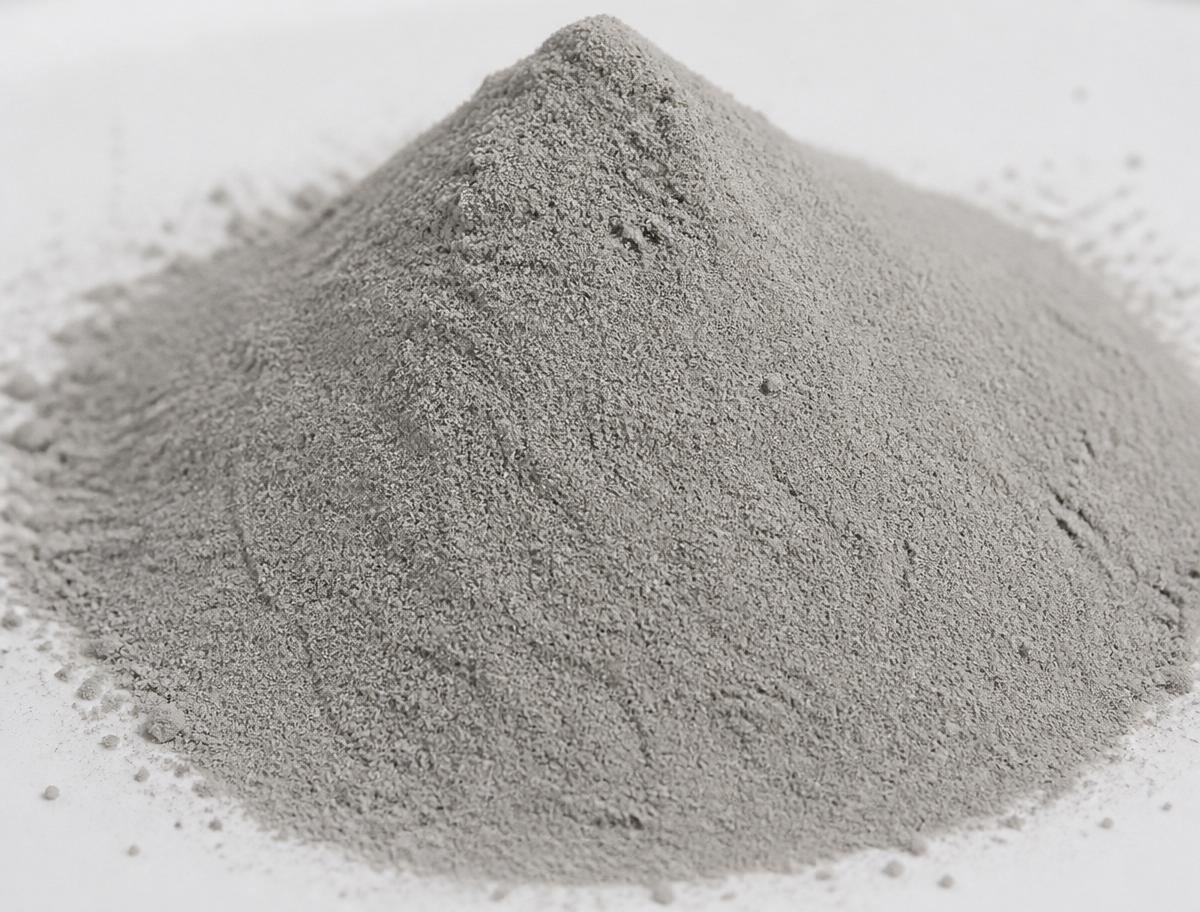
Silica Fume
Collected ultra-fine powder — the finished Sio92 Silica Fume, ready for densification, testing and packing.
Slag → Ball Mill → Slag Powder
Ferrosilicon slag tapped from the furnace is recovered and processed — zero-waste industrial practice.
Ferrosilicon Slag
Metallurgical slag tapped from the furnace is cooled and crushed for further processing.
Grinding — Ball Mill
Crushed slag is ground in a ball mill to a fine, uniform particle size.
Ferrosilicon Slag Powder
A useful by-product powder — nothing from the furnace is wasted.
Test · Pack · Dispatch
Quality Testing
Every batch tested for SiO₂ content, moisture, LOI, specific gravity and particle profile against ASTM C1240 / EN 13263.
Densification & Packing
Undensified or densified silica fume packed in 25 / 50 kg bags, 1 MT jumbo bags, or bulk tankers.
Dispatch
Traceable logistics from plant to site with signed test certificates and MTCs.
Sio92 Silica Fume — TDS
Indicative values from production. Full signed technical data sheet and MTC available with every consignment on request.
| Property | Typical Value |
|---|---|
| Product Name | Sio92 Silica Fume |
| Appearance | Grey to Dark Grey Ultra-Fine Powder |
| Silicon Dioxide (SiO₂) | ≥ 92% |
| Particle Size (avg.) | 0.1 – 0.2 μm |
| Specific Gravity | 2.2 – 2.3 |
| Moisture Content | < 2.0% |
| Loss on Ignition | < 3.5% |
| Pozzolanic Activity Index | > 115 |
| Chloride Content | ≤ 0.10% |
| Bulk Density | 570 – 650 kg/m³ |
| BET Surface Area | > 18 m²/g |
| Standards | ASTM C1240 · IS 15388:2003 · EN 13263 |