
Why Use Silica Fume Instead of Increasing Cement Content?
Higher cement dosage raises heat of hydration, shrinkage and cost. Silica Fume densifies the matrix instead — delivering strength and durability more efficiently.
“Our concrete isn't achieving the required strength. Can we simply increase the cement content instead of using Silica Fume?”
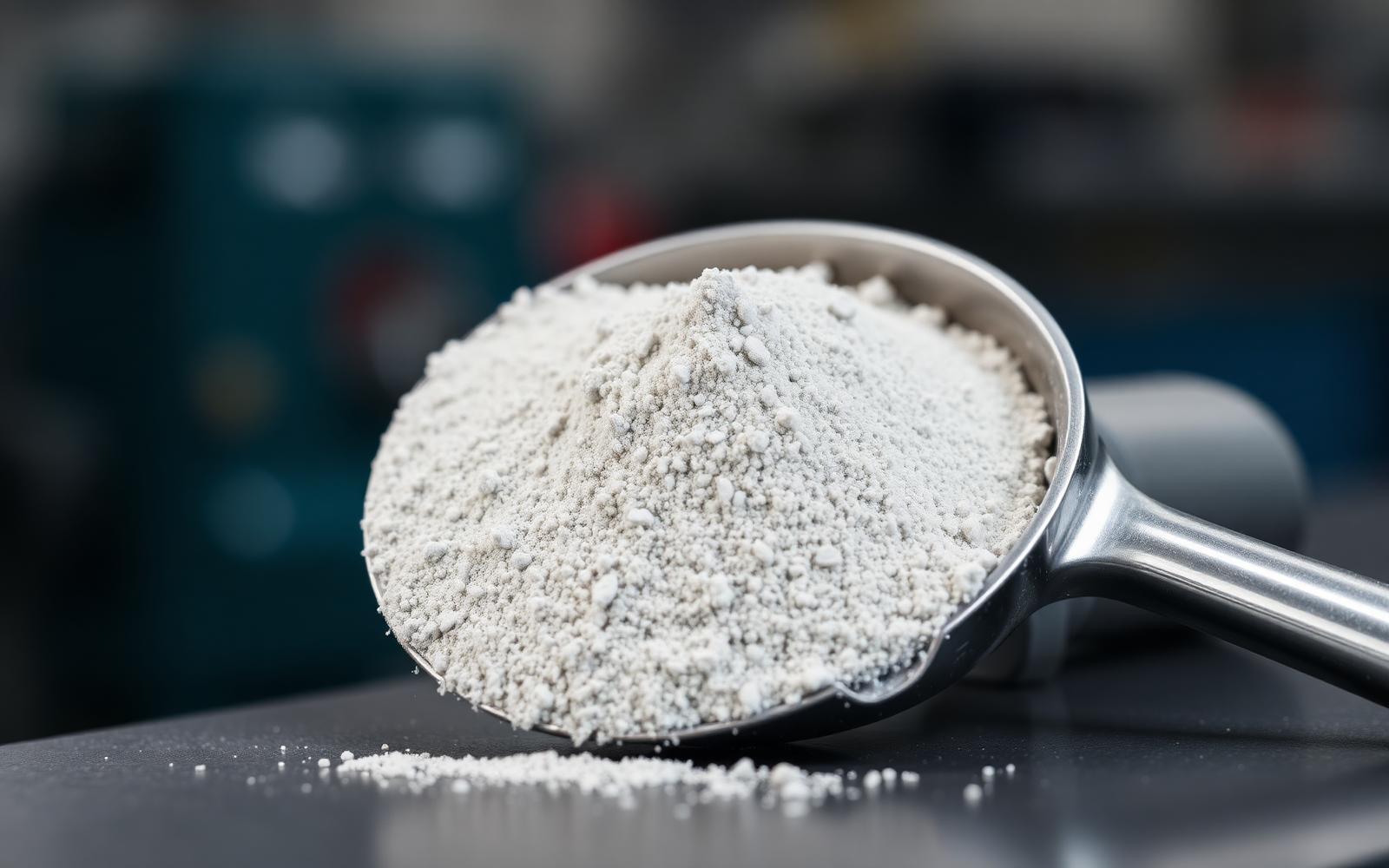
The answer
Increasing cement content may improve compressive strength, but it is not always the most efficient or economical solution. Higher cement dosage can increase heat of hydration, shrinkage, cracking potential, material costs, and the overall carbon footprint of concrete.
Silica Fume works differently. Its ultra-fine particles fill microscopic voids within the concrete while reacting with calcium hydroxide to produce additional calcium silicate hydrate (C-S-H) gel — the primary compound responsible for concrete strength.
Rather than relying solely on more cement, Silica Fume makes the concrete matrix denser and more durable.
Benefits of SIO92 Silica Fume
Talk to our technical team
Sio92 Silica Fume complies with ASTM C1240 and IS 15388:2003, and is supplied in bags, jumbo bags and bulk tankers with batch test certificates.
Request a quoteMore insights
We Already Use GGBS. Why Should We Also Use Silica Fume?
GGBS builds long-term strength and sulfate resistance; silica fume adds early strength, density and water tightness. Most high-performance mixes use both.
Why Is My Concrete Failing Permeability and Durability Tests?
A mix can hit its strength target and still fail RCPT or water penetration. The cause is capillary porosity — and silica fume is the standard fix.
Is All Silica Fume the Same? How Do I Choose the Right Product?
Performance depends on SiO₂ content, fineness, moisture, LOI and manufacturing consistency. Here is the checklist engineers should use before approving a supplier.